

By Michael Gomez
We’re at a crossroads you can feel
If you’ve driven through Lakeland lately—morning or evening—you’ve likely noticed more brake lights than you expected. Traffic, once a manageable nuisance, is creeping into the rhythm of daily life. Something similar is happening in housing: affordability is slipping. Houses that once felt comfortably priced now demand trade-offs many of us weren’t prepared to make.
What folks love—and what’s slipping
One survey asked local residents about Lakeland’s strengths and greatest concerns. What they drew out: parks, green spaces, lakes, and a sense of safety rise high hearts. But the threats? Traffic congestion led the pack, with affordability, homelessness, and growth-infrastructure concerns close behind. These aren’t new worries, but the sense that they’ve crossed a threshold is common. The things that make Lakeland feel home are also the things now under pressure.
(From the Lakeland Community Survey report)
Voices unsettled—but not defeated
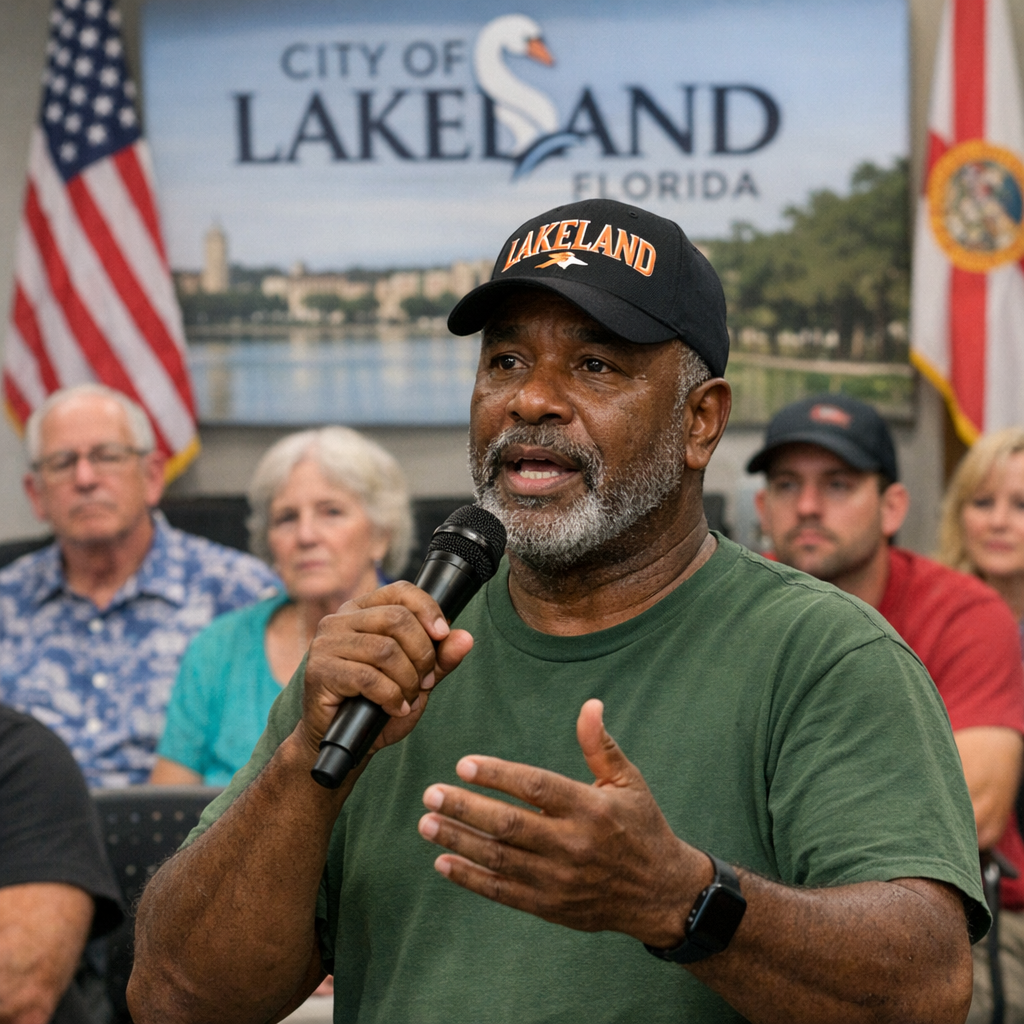
Amid the noise, people are speaking up. At City Commission meetings, when a proposed data center project was introduced, residents from many walks of life showed up—not to cheer, but to raise tangible questions about what comes with big development: water demand, environmental trade-offs, traffic, and quality of life. It may be one project, but it’s fueling a broader conversation: growth should mean something—not just more buildings, but better lives.
Tighten the lens: what that feels like, daily
Imagine:
- Coming home late, only to be slowed for miles by construction near your usual exit.
- Realizing your favorite neighborhood park feels smaller somehow, not by land lost but by noise and cars encroaching.
- Holding your breath while waiting for your water bill, worrying that rising costs will squeeze your budget.
- Sharing with friends how everything big in Lakeland seems somewhere else—jobs, culture, entertainment—yet you stay here because this place feels like yours.
What we can do—real steps, local leverage
We don’t need sweeping policy to start turning things around. Some of the hardest changes begin quietly—through community associations, neighborhood meetings, principled city planning:
- Speak up locally. Neighborhoods have more power than many people realize. Attend a NAC-Neighborhood Association Coalition meeting. Attend commission hearings. Make your story part of the record.
- Push for deliberate infrastructure investment. Better mobility, public transit, roads—not just new housing or commercial zones. Infrastructure needs to keep pace so neighborhoods can live, not just fill.
- Hold on to what makes Lakeland special: green spaces, lake health, parks. These are more than aesthetics—they’re preventive care for our health and quality of life. Protect them. Restore what’s degraded.
- Demand affordability, not just development. Growth without access isn’t progress. Policies that require affordable units, protections from displacement, and transparent planning help new and longtime residents alike.
Why it’s worth it
Because when Lakeland grows in ways that ignore what people love, what you get is something different—bigger, but not better. What we want is a city that retains its welcome, its lakeside calm, its spirited downtown, its walkable places and safe streets. We want Lakeland to stay home.
Let’s talk to each other. Let’s share what we want and what we’re losing. Let’s listen. That is, after all, the foundation of any strong community.