

By Isaac Garcia
National headlines aren’t slowing down. From inflation conversations to changes in how laws are enforced—and how courts and the White House are shifting power—Americans are watching closely. These are the trends that matter.
Inflation’s Latest Turns
Prices across the U.S. are still rising—but not as fast. The Consumer Price Index shows overall inflation running around 3.4% year-over-year, with “core” inflation (excluding food and energy) easing slightly. Energy prices, which spiked earlier this year following disruptions abroad, retreated in recent months as markets responded to new supply assurances. Meanwhile, food price inflation remains steady—particularly for groceries—while housing and rental costs are still putting pressure on household budgets.
Federal Reserve and Economic Projections
The Federal Reserve, as well as independent economists, believe inflation will continue gradually falling toward longer-term targets—though progress is uneven. Interest-rate sensitive sectors—especially housing and lending—are feeling the strain of tighter financial conditions, but investment in areas like technology and infrastructure remains a bright spot. Forecasts suggest the U.S. may see inflation closer to 2.7% over 2026 if current conditions persist.
Supreme Court Rulings With National Impact
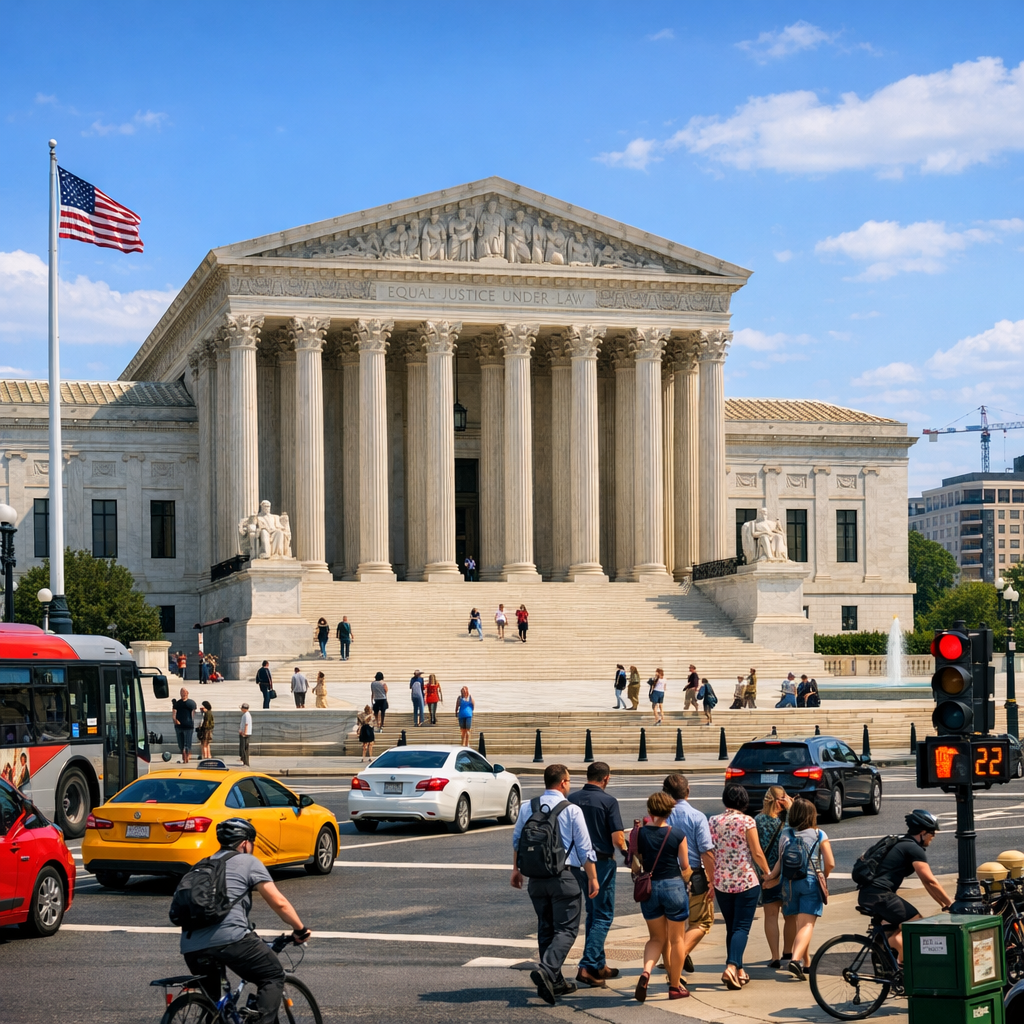
This term, the U.S. Supreme Court handed down several high-profile decisions affecting executive power, immigration policy, and voting rights. Notably, the Court affirmed limits on how far the president can control the removal of independent officials—underscoring efforts to protect institutional balance. In other decisions, nationwide injunctions—legal orders that block federal policies across the country—were reined in following the decision in Trump v. CASA. Also, rulings involving race and history drew sharp attention, as communities assessed what protections remain under law.
What’s Next for Voters & Everyday Life
What all this means locally—and nationally—is that uncertainty remains. Even modest price increases at the grocery store or gas pump can shape how people budget. Policy changes at the federal level influence what elected officials can and can’t do, especially in areas like immigration or civil rights. And while inflation seems to be cooling, any spike in energy prices or disruption in global supply can shift that trend fast.
Americans are not just watching what happens in Washington—they’re feeling it. Understanding how judicial decisions tie into laws, and how economic indicators translate into everyday costs, matters for all of us.